What Is a Jump Cut? Definition, Examples & How to Use One
What is a jump cut? A clear guide to the technique — how it works, why it's used, how it differs from other cuts, like the match cut and montage.
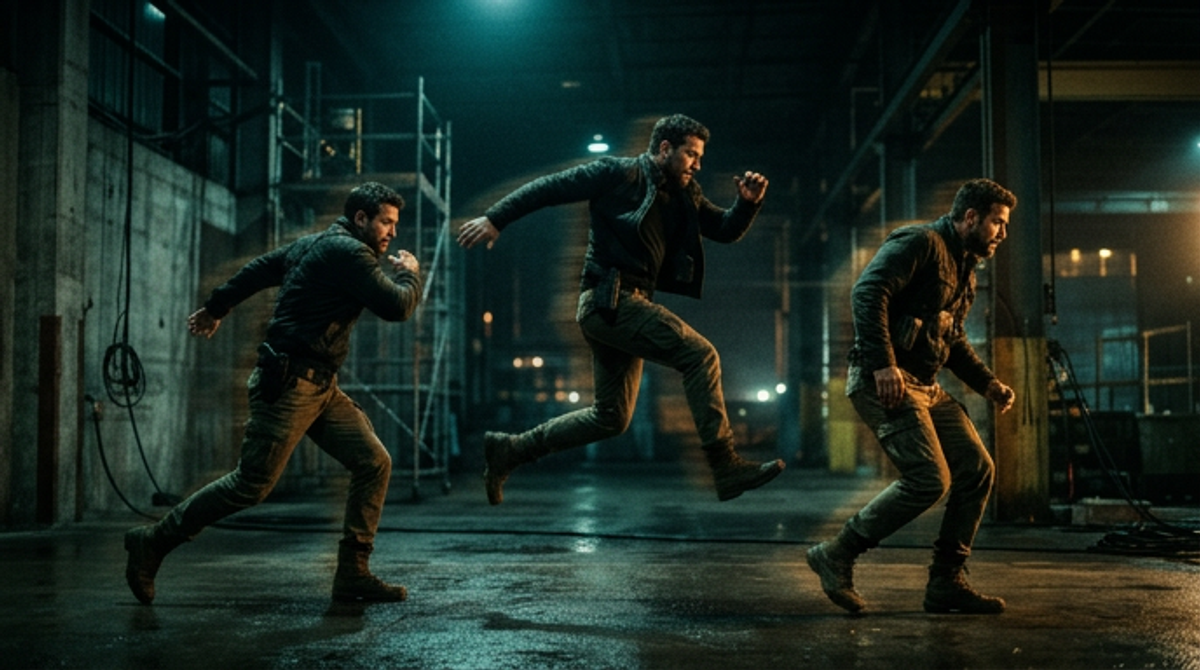
A jump cut is an edit between two shots of the same subject that abruptly advances time, creating a deliberate visual "jump." Because the two shots are similar in framing but not identical, the subject appears to lurch forward — a discontinuity that breaks the smooth, invisible flow most editing strives for. Once considered a mistake, the jump cut is now one of the most recognizable and widely used techniques in modern film and video.
This guide explains what a jump cut actually is, why it works, how it differs from the other major types of cuts, where it's used today, and how editing choices like these are made — including in AI-assisted filmmaking, where the cut is driven by the story's intent.
The short definition
A jump cut joins two shots of the same subject taken from a similar angle, with a noticeable jump in time or position between them. Traditional "continuity" editing hides its cuts — it changes angle or distance enough that the transition feels seamless, so the audience never notices the edit. A jump cut does the opposite: it keeps the framing similar but removes a chunk of time, so the subject visibly skips ahead. The effect is jarring by design.
That jarring quality is the whole point. The jump cut announces that this is an edit, that time has been compressed, that you are watching something constructed. Used well, it's expressive; used carelessly, it just looks like sloppy continuity.
Why the jump cut works
The jump cut does several things no smooth edit can. It compresses time visibly — showing someone get ready, travel, or wait, with the dull stretches snipped out and the jumps left deliberately visible. It creates energy and unease — the lurch can feel anxious, restless, or kinetic, which is why it suits everything from a panic attack to a frantic montage. And it signals a voice — the modern vlog and social-video style is built on jump cuts, where every pause and stumble is cut out, leaving a rapid, direct-to-camera rhythm that reads as casual and immediate.
Historically, the jump cut was considered an error — a violation of the continuity rules that classical filmmaking held sacred. Its rise to respectability is usually credited to the French New Wave, whose filmmakers used jump cuts deliberately and provocatively, breaking continuity to draw attention to the film as a film. What was once a mistake became a statement, and eventually a standard tool.
Jump cut vs. other cuts: a quick taxonomy
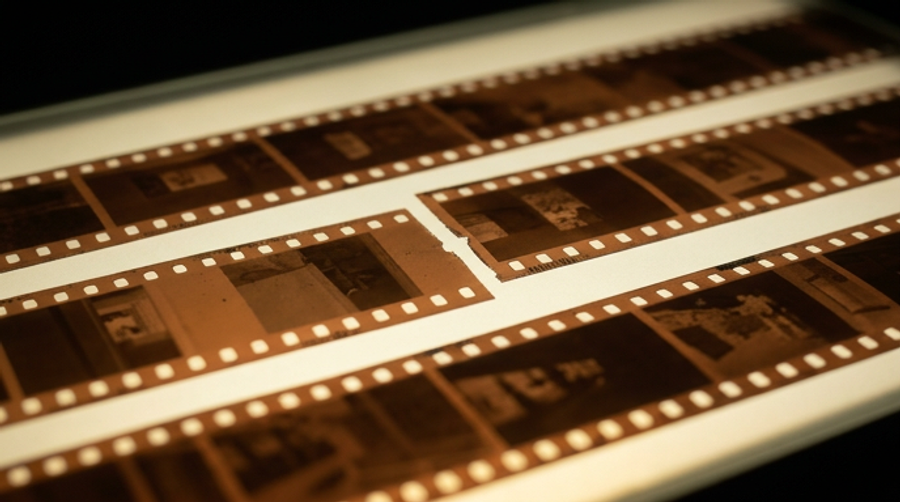
The jump cut is one of several fundamental editing transitions, and they're easy to confuse. Here's how it sits among the others:
The standard (continuity) cut is the invisible workhorse — a transition between angles or shots designed not to be noticed, preserving smooth spatial and temporal flow. The jump cut is its deliberate opposite.
The match cut transitions between two shots linked by a visual or thematic similarity — a shape, a movement, a composition that carries across the cut — creating a smooth, often poetic bridge between very different scenes. Where a jump cut jars, a match cut satisfies.
The cutaway briefly leaves the main action to show something else — a reaction, a detail, a related image — then returns. It's often used precisely to hide what would otherwise be a jump cut, by giving the edit somewhere to breathe.
The cross-cut (parallel edit) alternates between two simultaneous lines of action in different locations, building tension by intercutting them.
The montage is a sequence of short shots edited together to compress a longer process — training, falling in love, the passage of years — into a brief, often music-driven passage. Montages frequently use jump cuts within them, but the montage is the larger structure; the jump cut is one edit.
When to use a jump cut
Reach for a jump cut when the discontinuity serves the story. To compress time within a single location or action — getting ready, waiting, working — while keeping the audience aware of the compression. To inject restless energy or anxiety into a scene, letting the lurching rhythm do emotional work. To establish a direct, modern, conversational voice, as in vlog- and social-style content built on rapid self-cuts. And to deliberately break the spell — to remind the audience they're watching something authored, a self-aware move with a long art-film pedigree.
When not to use one: if your goal is seamless immersion, the jump cut fights you. In dramatic continuity work, an unintended jump cut reads as an error, which is why editors use cutaways and angle changes to smooth transitions that would otherwise jump.
How editing decisions get made including with AI
Every cut in this taxonomy is, at bottom, a decision about intent: what should the audience feel at this transition — seamless flow, a jarring lurch, a poetic link, rising tension? The editor and director think in those terms, then choose the cut that delivers it. The technique serves the intention, never the other way around.
That relationship — intent first, technique second — is exactly how editing works in Induce. Because Induce reads a script scene by scene and understands the emotional beat each moment is meant to hit, the cut between shots can be driven by what the story needs rather than assembled by hand. You direct by intent — a restless, time-compressing feel here, a smooth bridge there — and the pipeline assembles coverage to match, while the continuity graph keeps your subject consistent across each cut so an intentional jump never becomes an accidental break. The grammar of editing doesn't change; what changes is that the choice of cut flows from the story's intent, the way a good editor's always has.
What is a jump cut in simple terms?
+An edit between two similar shots of the same subject that skips forward in time, making the subject appear to "jump." It deliberately breaks the smooth flow of traditional editing.
Why do people use jump cuts?
+To compress time visibly, inject energy or unease, or create a direct, modern voice, the rapid self-cut style common in vlogs and social video is built on jump cuts.
What's the difference between a jump cut and a match cut?
+A jump cut is deliberately jarring- same subject, skip in time. A match cut is deliberately smooth, two different shots linked by a shared shape, movement, or composition that bridges them seamlessly.
Are jump cuts bad?
+No, though they were once considered editing errors. Used intentionally they're a powerful, expressive tool. They only read as mistakes when they break continuity in work that's meant to feel seamless.
What's the difference between a jump cut and a montage?
+A montage is a sequence of shots compressing a longer process into a short passage; a jump cut is a single type of edit. Montages often contain jump cuts, but they're not the same thing.
Related posts
What Is Method Acting? Techniques, Examples & History
What is method acting? A complete guide to the technique — its origins, the core methods, famous examples, the controversy around it.
By Prithvi Bharadwaj
Protagonist vs Antagonist: Definitions, Differences & Examples
Protagonist vs antagonist- clear definitions, the real difference between them, types of each, and famous examples.
By Prithvi Bharadwaj
What Is a Tracking Shot? Definition, Types & Examples
What is a tracking shot? A complete guide, famous examples, and when to use one plus what directors call them with AI.
By Prithvi Bharadwaj